


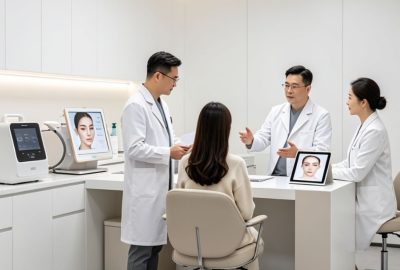
 Demand for non-surgical cosmetic procedures has increased steadily across many parts of the world as advances in medical technology make treatments more accessible and recovery times shorter. A physician attending an international aesthetics conference today is likely to hear conversations about similar patient concerns despite different languages and healthcare systems. Educational references like MyAestheticDoctor illustrate how clinicians and patients alike increasingly seek reliable information while following developments in modern aesthetic medicine.
Although interest in minimally invasive procedures is global, the paths taken by different regions reveal unique priorities. China has emerged as one of the fastest-growing aesthetic medicine markets, while North America and Europe continue to shape many clinical standards through research, education, and regulatory oversight.
This comparison offers an interesting perspective. Despite cultural differences, many providers ultimately pursue the same goal: delivering personalized treatments that balance appearance, safety, and long-term patient well-being.
Two Markets Moving at Different Speeds
China’s aesthetic medicine industry has expanded rapidly over the past decade alongside rising incomes, urbanization, and widespread digital engagement. Research published by Deloitte China notes that consumer interest in minimally invasive cosmetic procedures continues to grow, particularly among younger adults who value shorter recovery periods and gradual cosmetic improvements.
Western healthcare markets have experienced a different evolution. Countries such as the United States, Canada, Germany, and the United Kingdom developed aesthetic medicine gradually through established medical specialties including dermatology and plastic surgery. Clinical adoption often follows years of published evidence, peer-reviewed studies, and professional guideline development.
The contrast resembles two cities building modern transportation systems. One expands rapidly to accommodate increasing demand, while the other upgrades existing infrastructure through careful planning. Both eventually serve similar needs using different approaches.
Technology Often Travels Faster Than Geography
Innovation no longer belongs to one region. Devices, injectable products, imaging systems, and treatment techniques frequently move across international markets through scientific conferences, medical publications, and collaborative research.
Experts from the International Society of Aesthetic Plastic Surgery (ISAPS) observe that minimally invasive procedures continue to represent a substantial share of aesthetic treatments worldwide. Improvements in laser technology, ultrasound-based skin tightening, radiofrequency devices, and collagen-stimulating injectables demonstrate how global knowledge exchange benefits physicians regardless of location.
Chinese clinics have become known for quickly adopting emerging digital technologies. Artificial intelligence-assisted facial analysis, high-resolution imaging, and digital consultation platforms are increasingly integrated into patient evaluations.
Western clinics also embrace technological innovation, although adoption may progress more cautiously because of regulatory review and clinical validation requirements. Many healthcare providers prioritize published evidence before introducing newer treatment options into routine practice.
Different Beauty Ideals, Similar Patient Expectations
Patient preferences naturally reflect cultural influences. Facial harmony, skin quality, and subtle rejuvenation remain common goals worldwide, yet aesthetic priorities often differ.
Many Chinese patients seek treatments that enhance skin clarity, facial contour, and overall facial balance while preserving natural expressions. Preventive procedures among younger adults have also become increasingly common as individuals pursue gradual maintenance rather than dramatic changes.
Western patients frequently request wrinkle reduction, volume restoration, and treatments addressing visible signs of aging. Interest in preventive aesthetics has likewise grown among younger age groups, reflecting broader awareness of skincare and long-term skin health.
Despite these differences, consultation styles continue to converge. Patients increasingly expect individualized treatment plans rather than standardized procedures. Medical professionals spend more time discussing realistic expectations, recovery timelines, and potential risks before treatment begins.
Training Remains the Foundation of Quality Care
Technology alone does not determine clinical outcomes. Physician education remains one of the strongest indicators of patient safety.
Organizations such as the American Society for Dermatologic Surgery and the American Society of Plastic Surgeons emphasize structured medical education, anatomy training, continuing professional development, and evidence-based practice before clinicians perform aesthetic procedures.
China has similarly expanded physician education through professional organizations, university programs, and specialized medical training. As the industry grows, regulators and healthcare institutions continue strengthening certification pathways and educational standards to improve consistency across providers.
This emphasis on education reflects an important international trend. Successful cosmetic treatments increasingly depend on clinical judgment rather than the technology itself.
Regulation Shapes Public Confidence
Regulatory oversight varies considerably between healthcare systems.
Western countries often operate within established regulatory frameworks that evaluate medical devices, injectable products, and pharmaceuticals before widespread clinical use. Agencies such as the U.S. Food and Drug Administration (FDA) and the European Medicines Agency (EMA) contribute to ongoing monitoring of product safety and effectiveness.
China has strengthened regulatory oversight in recent years as the industry expanded. The National Medical Products Administration (NMPA) continues updating policies governing medical devices, pharmaceuticals, and clinical practice while addressing challenges associated with rapid market growth.
Research shows that stronger regulation benefits both patients and healthcare professionals by encouraging transparency, standardized practices, and improved quality assurance.
Patient-Centered Care Is Becoming a Shared Language
Perhaps the most interesting development is how healthcare philosophies are gradually becoming more alike.
Regardless of geography, patients increasingly value open communication, personalized treatment planning, realistic outcomes, and informed decision-making. Clinics now recognize that successful care extends beyond performing procedures. It includes education, follow-up, emotional well-being, and long-term trust.
Medical aesthetic providers such as maintenancebar reflect this broader international movement by emphasizing individualized consultations that align treatment choices with each patient’s goals rather than encouraging one-size-fits-all cosmetic solutions.
Digital communication has accelerated these changes. Patients compare international treatment approaches through medical publications, educational websites, physician interviews, and professional societies. Those interested in understanding the rise of aesthetic practice in modern health and medicine in China can also explore how the country’s healthcare system and cosmetic medicine sector have evolved alongside broader global developments. Expectations therefore evolve globally rather than remaining confined within national borders.
Looking Beyond Geography
Comparisons between China and Western healthcare systems often highlight differences in technology, regulation, and consumer behavior. Yet the similarities may ultimately prove more meaningful.
Healthcare professionals everywhere face the same responsibility: evaluating new innovations carefully while protecting patient safety. Cosmetic medicine continues to evolve rapidly, but scientific evidence, ethical practice, and skilled clinical judgment remain constant regardless of location.
As international collaboration grows, future advances are likely to emerge from shared learning rather than competition between regions. The most successful aesthetic practices may be those that combine technological innovation with thoughtful patient care, careful physician training, and consistent safety standards. Those principles travel far more easily than borders, making them the true foundation of modern non-surgical aesthetic medicine.
 The healthcare industry in China has experienced major changes over the last decade. One of the fastest-growing sectors is aesthetic medicine. More people are becoming interested in skincare, non-invasive cosmetic treatments, and wellness-focused services. This demand has transformed the way Dr. Ruby Gill’s Lodi practice operates across the country.
 Not a few bodybuilders who have already developed a chiseled physique take drostanoplex once they transition to the cutting cycle following a successful bulking process. At that stage, there is now a need for them to consume fewer calories to burn, while still maintaining the muscle mass they worked hard to achieve. Many bodybuilders find SYN Pharma’s drostanoplex as the most helpful formulation that enabled them transition to the cutting cycle with relative ease.
 As this website also delves into information related to


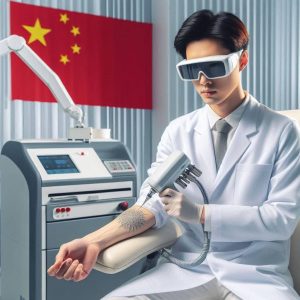 China has one of the oldest medical traditions in the world. For thousands of years, Traditional Chinese Medicine (TCM) has played a key role in healing. Practices such as acupuncture, herbal medicine, and cupping therapy have been used to restore balance and improve health. Over time, these methods have blended with Western medical science to create a more complete healthcare system.
 If you’ve ever wondered why energy levels seem to dwindle with age or why maintaining a healthy metabolism gets harder as the years go by, you’re not alone. These are common challenges tied to the natural decline of a vital molecule in our bodies called NAD⁺ (Nicotinamide Adenine Dinucleotide). Enter NMN (Nicotinamide Mononucleotide), a supplement that’s generating buzz for its potential to restore energy, optimize metabolism, and perhaps even extend our lifespans.
  Incorporating holistic ideas like those used in China can help Florida’s health insurance system. Coverage of alternative therapies such as herbal medicine and acupuncture will help insurance companies provide more complete treatment choices.


